Hedge Trimming in Barkingside: A Practical, Polished Approach to Healthier Gardens
Hedge trimming in Barkingside is more than a neat finishing touch. It is one of the most effective ways to keep a garden looking smart, healthy, and well-managed throughout the year. Whether you own a compact front garden, a long boundary hedge, or a mixed planting scheme, regular hedge cutting helps shape growth, improve density, and prevent overgrowth from becoming a problem. In a busy area like Barkingside, where kerb appeal matters and outdoor spaces are often used for family life, a carefully maintained hedge can make a noticeable difference.
Many homeowners search for hedge trimming in Barkingside because they want a tidy appearance without harming the natural structure of their plants. The best results come from trimming at the right time, using the right tools, and understanding how different hedge species respond to cutting. A well-trimmed hedge can frame a property beautifully, support wildlife in a balanced way, and create privacy without feeling unruly. It can also reduce the chance of branches encroaching on paths, driveways, windows, and neighbouring boundaries.
From evergreen screens to ornamental borders, hedge trimming in Barkingside should be tailored to the hedge type, season, and desired finish. Some hedges need light and frequent shaping, while others benefit from occasional but more careful reduction. If your aim is to keep your garden attractive and manageable, learning the essentials of hedge maintenance is a smart place to start.
Why Hedge Trimming Matters for Barkingside Gardens
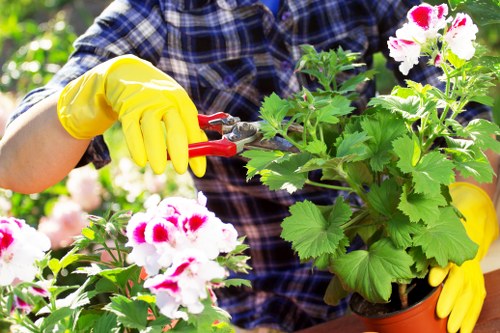
Well-planned hedge trimming in Barkingside supports both the appearance and the long-term health of your outdoor space. Left unchecked, hedges can become leggy, sparse, and difficult to control. Regular trimming encourages denser growth near the base, which means a fuller, more attractive hedge. It also helps prevent disease by improving airflow and reducing the amount of dead or congested material inside the plant.
In a residential setting, hedge cutting is also a practical necessity. Overgrown hedges may block light, reduce visibility, and create awkward spaces along driveways or pavements. For properties near roads or shared boundaries, a tidy hedge can improve safety and keep access areas more usable. This is one reason hedge trimming in Barkingside is such a common seasonal task for homeowners, landlords, and property managers.
Hedge maintenance also plays an important role in preserving garden design. A sharply cut formal hedge can create clean lines and structure, while a softer, lightly shaped hedge can maintain a more natural look. Either way, trimming supports the overall style of the garden rather than letting growth dominate it.
Understanding the Different Types of Hedge Trimming
Not all hedge trimming in Barkingside is the same. Different hedges require different levels of attention, and knowing the distinction helps avoid mistakes. Some hedges are best shaped lightly and often, while others tolerate more substantial pruning. If you trim a hedge too hard at the wrong time, it may stress the plant or leave bare patches that take months to recover.
Formal Hedge Trimming
Formal hedges are usually clipped into straight edges, crisp corners, and uniform shapes. Popular choices include box, yew, privet, and beech. For this style, precision hedge cutting matters. The goal is consistency, symmetry, and sharp definition. Formal hedge trimming in Barkingside often involves regular maintenance through the growing season to preserve a polished appearance.
Informal Hedge Maintenance
Informal hedges are allowed to look softer and more natural. They may still need regular hedge trimming, but the aim is to retain a relaxed shape rather than strict geometry. This approach works well for mixed hedging, flowering hedges, and boundaries where biodiversity is a priority. A light touch is usually best, especially if the hedge supports birds or pollinators.
When to Trim Hedges in Barkingside

Timing is a major part of successful hedge trimming in Barkingside. Most hedges benefit from trimming during active growing periods, but the exact schedule depends on the species. If you trim too early in spring, you might damage fresh growth. If you trim too late in the year, you may leave the hedge vulnerable to cold weather or disturb nesting wildlife.
Spring and summer are usually the busiest periods for hedge maintenance. Fast-growing hedges often require repeated light trims to stay tidy and prevent them from becoming top-heavy. Late summer is often a good time for a final shape-up before the quieter winter months. However, nesting birds are protected, so it is always sensible to check carefully before carrying out any major hedge cutting.
Different hedge species have different needs:
- Evergreen hedges may need one to three trims per year depending on growth rate.
- Deciduous hedges often respond well to seasonal pruning after leaf growth has matured.
- Flowering hedges should be trimmed with care so you do not remove next season’s buds.
Common Hedge Types Found in Barkingside

Hedge trimming in Barkingside often involves a mix of species, each with its own growth pattern and maintenance needs. Knowing what you have in your garden makes it easier to achieve a healthy, even finish. Some hedges are fast and forgiving, while others need more careful attention and a gentler approach.
Evergreen Hedges
Evergreen species such as laurel, leylandii, and holly are popular for privacy. They keep foliage year-round and can grow quickly, especially in fertile soil. Because of their speed, evergreen hedge trimming often needs to be regular and decisive. If left too long, these hedges can become bulky and difficult to reshape.
Deciduous Hedges
Beech, hornbeam, and hawthorn are common deciduous choices. They tend to change with the seasons and can provide a softer, more traditional look. Hedge cutting for deciduous varieties is generally about maintaining structure and encouraging dense side growth.
Flowering and Wildlife-Friendly Hedges
Some hedges are valued for blossom, berries, or habitat value. These should be trimmed carefully to protect blooms and preserve shelter for birds and insects. Balanced hedge maintenance means keeping the shape under control while respecting the ecological role of the planting.
Tools and Techniques for Effective Hedge Trimming
Successful hedge trimming in Barkingside depends on using suitable tools and a methodical technique. Clean, sharp equipment produces a better finish and reduces the chance of tearing stems. Whether you are maintaining a small front hedge or shaping a long boundary, the right tools make the work easier and safer.
Common tools include:
- Hand shears for fine shaping and detailed work.
- Electric hedge trimmers for quicker, more even cutting on medium to large hedges.
- Long-reach trimmers for taller hedges and hard-to-access sections.
- Loppers and secateurs for thicker stems that cannot be cut cleanly with trimmers.
Good technique is just as important as the tool itself. A slight taper from top to bottom helps the hedge receive enough light at the base. This prevents lower sections from becoming sparse. It is also wise to trim in stages rather than removing too much growth at once. Gradual hedge shaping usually produces healthier, more even results.
Benefits of Regular Hedge Maintenance
Consistent hedge trimming in Barkingside delivers a wide range of benefits that go beyond appearance. A well-kept hedge can improve a property’s overall presentation, support long-term plant health, and make outdoor spaces more practical. For many households, hedge maintenance is one of the simplest ways to keep a garden feeling orderly and inviting.
Here are some of the main advantages:
- Better curb appeal through clean lines and a neat finish.
- Improved hedge health thanks to stronger, denser growth.
- More natural light reaching windows, lawns, and borders.
- Greater privacy without unwanted overhang or obstruction.
- Safer access on paths, driveways, and entrances.
Regular hedge cutting also helps reduce future workload. Small, frequent trims are usually easier than tackling an overgrown hedge that has gone beyond its ideal size. In practical terms, this means less stress, less waste, and a more attractive garden all year round.
Signs Your Hedge Needs Trimming
It is not always obvious when hedge trimming in Barkingside is due, especially if the hedge still appears broadly tidy from a distance. However, there are several signs that it is time to act. Spotting these early can prevent bigger problems later and help you maintain the hedge’s shape without major corrective pruning.
Look for these common indicators
- Branches are extending beyond the intended boundary.
- The hedge has become wider at the top than the bottom.
- Dense areas are trapping debris or showing dead inner growth.
- Light is being blocked from windows, paths, or adjoining plants.
- The hedge no longer looks balanced or symmetrical.
If you notice one or more of these signs, a careful trim can often restore the hedge quickly. In many cases, timely maintenance is far easier than waiting until the hedge becomes oversized and difficult to correct.
Hedge Trimming and Garden Design
Hedge trimming in Barkingside can do more than maintain control; it can actively shape the atmosphere of a garden. A hedge acts like a living wall, providing structure, direction, and privacy. When trimmed well, it supports the garden’s layout and gives planting beds, patios, and lawns a cleaner visual edge.
Formal gardens often use hedge cutting to create borders and pathways with strong visual order. In contrast, a more relaxed garden may use soft hedge lines to frame seating areas or conceal boundaries without feeling rigid. The way you trim a hedge can influence whether a space feels open, enclosed, contemporary, or traditional.
For many Barkingside properties, hedges also help define smaller outdoor spaces. They can soften brickwork, screen bins or fences, and create a calmer feel in urban settings. A tidy hedge is often one of the simplest ways to make a home exterior look considered and well cared for.
Practical Safety Considerations
Safety should always be part of hedge trimming in Barkingside, especially when dealing with tall growth, awkward angles, or nearby roads and footpaths. Even smaller trimming jobs can become risky if the hedge is close to electrical lines, unstable ground, or hidden obstacles.
Important safety points include:
- Wear gloves, eye protection, and sturdy footwear.
- Check for nests, insects, and hidden debris before starting.
- Use stable ladders or extension tools for taller sections.
- Keep children and pets away from the work area.
- Inspect tools before use and keep blades clean and sharp.
If the hedge is large, dense, or difficult to access, professional hedge trimming may be the safer choice. A controlled approach reduces the chance of uneven cutting or accidental damage to nearby plants, fences, or garden features.
How Professional Hedge Trimming Helps
Many residents choose professional hedge trimming in Barkingside because it saves time while delivering a cleaner finish. Experienced gardeners understand how different hedges grow, how much to remove, and how to restore shape without overcutting. This can be especially useful for properties with tall boundary hedges, intricate shaping, or time-sensitive maintenance needs.
What a professional approach can offer
- A more even and attractive finish.
- Better handling of awkward or overgrown sections.
- Advice on seasonal hedge maintenance.
- Less disruption to your routine.
- Responsible disposal of clippings and green waste.
For busy households, professional hedge cutting can be a practical investment in the garden’s appearance and condition. It also helps ensure the hedge is trimmed at the right time and in the right way, which can make a noticeable difference to long-term growth.
Seasonal Hedge Care Tips for Barkingside Homeowners
Hedge trimming in Barkingside works best when paired with simple seasonal care. Rather than waiting until the hedge has grown too much, a light and regular maintenance routine helps keep the plant healthy and manageable. This also makes the trimming process easier and less disruptive.
Useful seasonal tips include:
- Spring: Inspect growth, remove winter damage, and shape gently as new shoots appear.
- Summer: Carry out light trims to maintain form and control rapid growth.
- Autumn: Tidy up after the main growing season and clear fallen debris.
- Winter: Avoid heavy cutting unless the species and conditions are suitable.
Regular attention keeps hedge maintenance manageable and supports better results year after year. It also helps you notice early signs of disease, drought stress, or pest activity before they affect the wider garden.
Why Local Knowledge Matters
Local knowledge can make hedge trimming in Barkingside more effective. Garden conditions vary, even within nearby streets. Soil type, sun exposure, shelter, and surrounding buildings all influence how quickly hedges grow and how often they need attention. A hedge in a sheltered, fertile plot may need far more frequent trimming than one in a cooler or less exposed location.
Understanding local conditions also helps with planning. For example, some hedges may respond better to lighter, repeated trims in the growing season, while others can be shaped more firmly at certain points in the year. When hedge cutting is based on the actual garden environment rather than a one-size-fits-all approach, the results are usually better and longer lasting.
Good hedge maintenance is about observation as much as action. Watching how the hedge behaves over time helps you develop a routine that suits both the plant and the property.
Keeping Hedge Trimming Neat, Safe, and Effective
Hedge trimming in Barkingside is ultimately about balance. The aim is to keep the hedge neat without stripping away too much growth, and to maintain structure without forcing the plant into an unnatural shape. When done well, hedge cutting supports healthier growth, attractive boundaries, and a more enjoyable outdoor space.
To get the best results, focus on these principles:
- Trim regularly rather than waiting for major overgrowth.
- Match the method to the hedge species.
- Keep the base slightly wider than the top.
- Use sharp tools for cleaner cuts.
- Respect wildlife and seasonal restrictions.
Whether you are maintaining a small decorative hedge or managing a long boundary screen, consistent attention will always pay off. A tidy hedge improves the look of the property, supports healthy growth, and makes the whole garden feel more intentional.
Final Thoughts on Hedge Trimming in Barkingside
Hedge trimming in Barkingside is one of those garden tasks that has a lasting effect. It shapes the appearance of the property, protects plant health, and keeps outdoor spaces practical and pleasant to use. From fast-growing evergreens to softer mixed hedges, every planting scheme benefits from careful, regular maintenance.
If you want your garden to look polished through every season, consistent hedge trimming is essential. It does not need to be complicated, but it does need to be timely, thoughtful, and suited to the hedge type. With the right approach, you can preserve privacy, improve structure, and keep growth under control without losing the natural character of the plants.
For homeowners who value a neat exterior and a well-kept garden, hedge trimming in Barkingside is a smart investment in both appearance and long-term maintenance. If your hedge is getting out of hand or you simply want a sharper finish, book your service now and keep your garden looking its best. Contact us today to arrange expert hedge care and enjoy a cleaner, healthier outdoor space.

