Lawn Care in Barkingside: A Practical, Local Approach to a Healthier Garden
If you want a lawn that looks neat, feels soft underfoot, and stays resilient through the changing seasons, lawn care in Barkingside deserves a thoughtful approach. Barkingside gardens face a mix of urban pressures, variable weather, shaded spots, compacted soil, and regular wear from family life. That means a successful lawn is rarely about one quick treatment; it is about steady maintenance, smart timing, and the right seasonal routines.
Whether your garden is a small front lawn, a family back garden, or a larger green space, proper lawn care Barkingside homeowners rely on can transform the look and feel of the entire property. A healthy lawn improves kerb appeal, creates a relaxing outdoor space, and gives children and pets a safer place to enjoy. It also reduces weed invasion, prevents patchiness, and makes routine upkeep easier in the long run.
Many residents search for local lawn care because every area has its own growing conditions. In Barkingside, lawns often deal with clay-heavy soil, uneven drainage, partial shade from mature trees, and frequent foot traffic. The good news is that these challenges can be managed with the right lawn maintenance plan. In this article, we’ll explore the essentials of lawn care in Barkingside, from mowing and feeding to aeration, weed control, seasonal treatment, and long-term lawn health.
Why Lawn Care in Barkingside Needs a Local Approach

Barkingside gardens are not all the same, and that is exactly why a local approach matters. Some lawns receive full sun for most of the day, while others sit in shade for hours. Some have rich, free-draining soil; others struggle with compaction and waterlogging. Effective lawn care Barkingside services and DIY routines should reflect these differences rather than relying on a one-size-fits-all method.
One of the most common mistakes homeowners make is treating lawn care as a summer-only task. In reality, lawns need attention throughout the year. In spring, they need recovery and feeding. In summer, they need watering discipline and careful mowing. In autumn, they benefit from aeration and scarification. In winter, they need protection from damage and excess foot traffic. Consistency is far more valuable than occasional effort.
The local climate also affects grass growth. In some years, Barkingside lawns may grow vigorously after mild, wet weather. In others, dry spells and heat can stress the turf. That is why tailored lawn maintenance is so valuable. A lawn that is cut too short in warm weather or overfed at the wrong time can quickly lose colour and vitality. The best results come from understanding the conditions your lawn is living in and adjusting care accordingly.
Understanding the Foundations of Healthy Grass

Strong lawns start below the surface. Grass may appear simple, but the quality of the soil underneath determines how well it can absorb nutrients, water, and air. In Barkingside, many lawns sit on compacted ground, especially where gardens have been used heavily for years. Compacted soil makes it harder for roots to spread, which can lead to thin patches and poor drainage.
Improving the soil is often the first step in real lawn care in Barkingside. This can include aeration, top dressing, and feeding with the right balance of nutrients. Aeration helps loosen the soil and lets oxygen reach the root zone. Top dressing can improve structure and support growth in worn areas. Feeding strengthens grass so it can cope with stress, weeds, and seasonal changes.
Healthy grass also depends on the right grass type. A lawn in a sunny, open garden may perform differently from one under partial shade. Fine grasses may look attractive but can be less durable in high-traffic areas, while tougher mixes may be better for family use. Choosing suitable seed for overseeding or repairing bare patches can make a big difference over time.
Mowing Techniques That Support Lawn Health
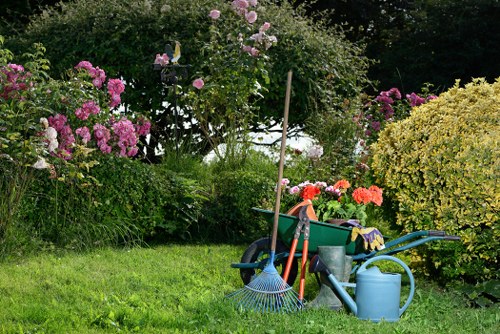
Mowing is one of the most important parts of lawn care Barkingside residents can manage themselves, yet it is often done in ways that weaken the turf. Cutting too short is a common problem. It exposes the soil, encourages weeds, and stresses the grass. A better approach is to mow regularly at the correct height for the season and avoid removing too much at once.
During active growth, a lawn may need more frequent mowing, but that does not mean it should be cut aggressively. Keeping the blades sharp is essential because blunt blades tear the grass instead of slicing it cleanly. Clean cuts reduce disease risk and help the lawn recover faster. Healthy mowing is as much about technique as it is about timing.
For many Barkingside properties, the ideal mowing pattern also depends on usage. A decorative front lawn can be kept slightly longer and tidier, while a busy family garden may need a practical height that balances appearance and durability. Always avoid mowing when the grass is very wet if possible, because wet cuts can create clumps, unevenness, and wheel marks.
Seasonal Lawn Care in Barkingside

Each season brings different demands, and lawn care in Barkingside works best when it follows the calendar. Spring is the time to wake the lawn up after winter. This is when you can rake away debris, check for compacted areas, feed the grass, and overseed patches. It is also a good moment to assess whether drainage problems or shade issues need attention before summer arrives.
In summer, lawns need careful balance. Too little water can cause browning and stress, while too much water at the wrong time can waste resources and encourage shallow roots. The goal is to water deeply but not constantly. Early morning watering is usually preferable, as it reduces evaporation and allows the grass to dry during the day. Summer mowing should also be more cautious, especially during dry spells.
Autumn is often the most important season for strengthening the lawn before winter. This is the ideal period for aeration, scarification, overseeding, and feeding with an autumn lawn fertiliser. By improving root strength before cold weather arrives, you set the lawn up for a better start next spring. Winter care is more about protection than growth. Try to reduce heavy traffic on frosty grass and keep the surface free of excess debris.
Watering Practices That Actually Help
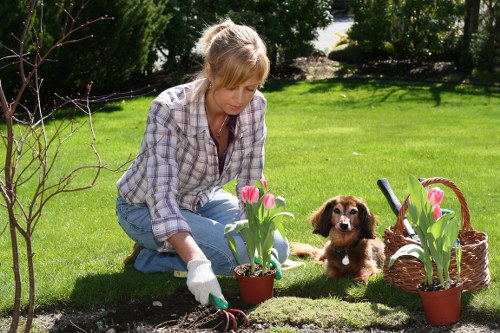
Watering is one of the most misunderstood parts of lawn care in Barkingside. Many people assume a lawn needs constant light watering, but this can create weak, shallow roots. Instead, lawns usually benefit from deeper, less frequent watering that encourages roots to reach further into the soil. This makes the grass more drought-tolerant and better able to handle warm weather.
If your lawn shows signs of stress, such as dull colour, curling blades, or footprints remaining visible after walking across it, it may need water. Even so, it is still best to water with purpose. Aim to soak the root zone rather than simply dampen the surface. In most cases, natural rainfall will handle much of the work, but during prolonged dry periods a sensible watering plan can protect your lawn from decline.
Some Barkingside gardens also have drainage challenges that make watering more complicated. In those cases, it is useful to focus on soil improvement so water can move more freely through the root zone. Aeration, organic matter, and top dressing can all help a lawn become less prone to standing water and more responsive to rainfall and irrigation.
Feeding and Fertilising for Stronger Growth
A lawn needs nutrition just like any other living part of the garden. Feeding is a central part of lawn care Barkingside households can use to promote greener colour, stronger roots, and better recovery after stress. The right fertiliser provides nitrogen for growth, phosphorus for root development, and potassium for resilience. Choosing the correct blend for the season is key.
Spring and summer feeds usually support lush growth and colour, while autumn feeds focus more on root strength and disease resistance. Overfeeding can cause problems, including excessive growth, scorch, and environmental waste. Underfeeding can leave the lawn pale, weak, and more vulnerable to weeds. A balanced feeding schedule helps maintain even growth without overstimulating the grass.
It is also worth remembering that not every lawn needs the same treatment. A heavily used family garden may need more support than a low-traffic ornamental area. For this reason, many property owners in Barkingside choose to mix routine feeding with soil testing or specialist advice. Good nutrition is one of the most reliable investments in long-term lawn quality.
Signs Your Lawn May Need Feeding
- Pale or yellowing grass
- Slow growth during the growing season
- Thin patches that do not recover well
- Increased weed presence
- Weak response after mowing or dry weather
Weed, Moss, and Patchy Area Control
Weeds are more than a cosmetic issue. They compete with grass for water, space, and nutrients. Moss often appears where grass is weak, shaded, wet, or compacted. Patchy areas can be the result of poor drainage, pets, wear and tear, or winter damage. Dealing with these issues early is an important part of effective lawn care in Barkingside.
The best weed control starts with a thick, healthy lawn. When grass is dense and vigorous, weeds have fewer places to establish. Regular mowing, feeding, and overseeding all help reduce weed pressure. For stubborn infestations, targeted treatments may be needed, but these work best when combined with better general lawn maintenance.
Moss control usually involves improving the underlying conditions rather than simply removing the visible moss. That might include reducing shade where possible, improving drainage, and loosening compacted soil. For patchy areas, overseeding is often the simplest solution. After preparing the surface, fresh seed can fill gaps and encourage a fuller, more even finish.
Practical Patch Repair Tips
- Rake out dead material and loosen the topsoil.
- Add a light dressing if the soil is poor or uneven.
- Choose a seed mix suited to sun, shade, or wear.
- Keep the area lightly watered until established.
- Avoid heavy traffic while new grass is growing.
Aeration, Scarification, and Lawn Renovation
Some lawns need more than routine maintenance. When a lawn becomes dense with thatch, compacted underfoot, or patchy after years of neglect, renovation methods can help. Aeration is one of the most useful techniques in lawn care Barkingside. It creates small holes in the ground, allowing air, water, and nutrients to move more effectively through the soil.
Scarification removes thatch, moss, and surface debris. Thatch is the layer of organic material that builds up between the grass and soil. A small amount is normal, but too much can block airflow and encourage disease. Scarifying helps the lawn breathe and makes space for new growth. It can leave the lawn looking rough temporarily, but it often delivers long-term benefits.
Lawn renovation may also involve overseeding, feeding, and top dressing. This is especially useful for old lawns, worn family spaces, or areas that have become thin over time. With careful preparation and follow-up care, a tired lawn can often be brought back to life without complete replacement.
Managing Shade, Trees, and Difficult Garden Conditions
Many Barkingside gardens contain shaded zones created by fences, buildings, and mature trees. Shade changes how grass grows. It reduces sunlight, slows drying, and can make moss more likely. In these conditions, standard lawn care may not be enough. You may need a shade-tolerant seed mix, a slightly higher mowing height, and extra attention to airflow and soil health.
Tree roots can also compete with grass for moisture and nutrients. Where this happens, the lawn may look thin or dry despite regular watering. One solution is to adjust expectations and treat the area as a lighter-traffic lawn. Another is to improve the soil surface and choose grass types better adapted to limited light and root competition.
Uneven ground, slopes, and narrow garden sections can create additional problems. These areas may dry differently from the rest of the lawn or become damaged more easily. Tailoring the lawn care plan to each part of the garden often produces far better results than treating every square metre in the same way.
Useful Adjustments for Challenging Areas
- Raise mowing height in shaded zones
- Use shade-tolerant seed mixes
- Improve drainage where water sits
- Reduce foot traffic on weak sections
- Feed lightly but consistently
Pet, Child, and High-Traffic Lawn Care
Family gardens often experience more wear than ornamental spaces. Pets run across the grass, children play on it, and garden furniture can leave marks. For this reason, lawn care in Barkingside often needs to focus on durability as much as appearance. A resilient lawn is usually a healthier lawn because it can recover more quickly from everyday use.
High-traffic areas benefit from regular overseeding, occasional rest, and careful fertilising. It is also wise to avoid mowing too low, because shorter grass is more easily damaged. If pets frequently use the lawn, areas may become bare or discoloured. In those cases, soil repair and reseeding can help, but managing use patterns may be just as important.
Homeowners should also watch for compacted paths where people tend to walk repeatedly. These can form worn strips that undermine the whole look of the lawn. Adjusting routes, adding stepping stones, or restoring the grass with top dressing and seed can keep the surface healthier over time. Durability matters, especially in active family gardens.
Why Professional Lawn Care Can Make a Difference
Many homeowners enjoy looking after their lawns, but there are times when professional support can save time and improve results. Specialist lawn care Barkingside providers can assess soil conditions, identify the reasons behind patchy growth, and recommend the right seasonal treatments. This can be especially valuable if the lawn has recurring issues such as moss, thinning, weeds, or drainage problems.
Professional help is also useful when the lawn requires renovation, treatment planning, or a more advanced maintenance schedule. An experienced team can use equipment and products more effectively than most domestic setups, which often leads to better consistency. For busy households, it can also remove the guesswork from lawn maintenance and free up time for enjoying the garden.
Even if you prefer to do much of the work yourself, periodic professional assessment can be helpful. A lawn may look like it simply needs more water when the real issue is compaction, shade, or nutrient imbalance. With the right diagnosis, the solution becomes clearer and more effective. Well-timed expertise often prevents minor issues from becoming expensive problems.
Simple Lawn Care Routine for Barkingside Homes
If you want a straightforward way to keep your lawn in good shape, a simple routine is often enough. The key is regular attention rather than complicated treatments. For many homes, the following routine provides a reliable foundation for lawn care in Barkingside:
- Mow regularly, but never remove too much grass at once.
- Water deeply during dry weather rather than giving shallow daily sprays.
- Feed seasonally using the right fertiliser for the time of year.
- Rake debris and remove thatch or moss when needed.
- Overseed bare spots to keep the turf dense.
- Aerate compacted areas in autumn or when growth slows.
- Watch for weeds, disease, and signs of stress early.
This approach keeps the lawn manageable while still giving it the support it needs. It also suits both small and medium-sized gardens, which are common throughout Barkingside. By keeping to a schedule, you reduce the risk of sudden deterioration and improve the lawn’s ability to bounce back from seasonal stress.
A lawn does not need to be perfect to be attractive. A healthy, well-kept surface with even colour and strong growth often looks better than an overtreated lawn that has been pushed too hard. The aim should be long-term health, practical beauty, and a garden that works for your lifestyle.
Choosing the Right Support for Your Lawn
Not every lawn needs the same level of care, and not every homeowner has the time or tools for every task. That is why it helps to assess your lawn honestly. If it only needs mowing and seasonal feeding, you may be able to handle it yourself. If it has recurring moss, poor drainage, or persistent patchiness, more specialist support may be worthwhile.
When looking for lawn care in Barkingside, think about the problems you want to solve first. Do you need a fuller lawn, better colour, fewer weeds, or stronger recovery after winter? Clear goals make it easier to choose the right service or routine. It also helps to look for solutions that improve soil health, because that is where lasting improvement begins.
Whatever route you choose, the important thing is to stay proactive. Small actions, repeated regularly, create better results than occasional large-scale effort. That is the real secret behind successful lawn care Barkingside homeowners can rely on year after year. If your lawn needs attention now, do not wait for the next season to fix it. Contact us today or book your service now to give your garden the care it deserves.
Final Thoughts on Lawn Care in Barkingside
A good lawn is built over time through consistent care, sensible mowing, timely feeding, and attention to soil conditions. In Barkingside, where gardens face a mix of shade, traffic, and changing weather, that kind of steady approach matters even more. With the right balance of maintenance and seasonal treatment, your lawn can become greener, denser, and more resilient.
Whether you prefer a hands-on routine or professional support, focusing on the basics will always pay off. Improve the soil, respect the seasons, and avoid overdoing any one treatment. If you keep those principles in mind, lawn care in Barkingside becomes less of a chore and more of a long-term investment in your outdoor space.
Take action now, stay consistent, and enjoy the results of a lawn that looks better, feels better, and adds value to your home. For a healthier garden and a more attractive outdoor space, book your service now and let your lawn reach its full potential.

